Small Teams, Big Ideas: Japan's Indie Game Scene Is Playing by Its Own Rules
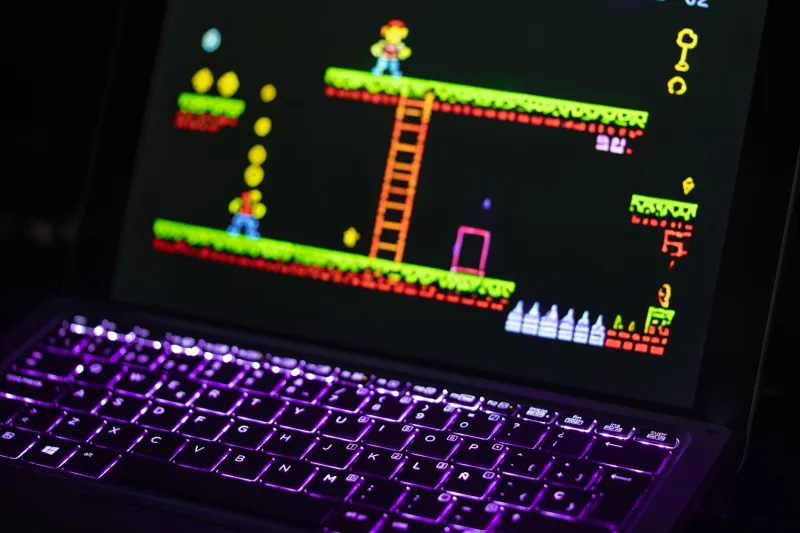
When most American gamers hear "indie game," a pretty specific image comes to mind. Pixel art. A Kickstarter campaign. A developer who left a AAA studio to make the game they always wanted. Maybe a roguelite with a heartfelt story about depression or grief. The Western indie scene has its own well-established aesthetic and cultural logic, and it's produced genuinely great work.
But spend a few hours digging into what's coming out of Japan's independent development community, and you'll start to realize the word "indie" is doing very different work over there. The philosophy is different. The relationship to commercial success is different. Even the way these developers talk about what they're making is different. And the games themselves? Often unlike anything you've played before.
Not the Same Animal
The Western indie game boom was, in large part, a reaction to corporate game development. Developers burned out by crunch culture and design-by-committee walked away from big studios to make smaller, more personal work. The indie label became associated with authenticity, artistic risk, and a kind of scrappy underdog energy.
Japan's indie scene has a different origin story. Many of its most influential figures came not from AAA studios but from the dōjin (self-published) software tradition — a culture of amateur creators making games for other enthusiasts, often distributed at events like Comiket. The commercial stakes were always lower, which paradoxically gave developers more creative freedom. You weren't trying to recoup a $200,000 Kickstarter budget. You were making something because you wanted it to exist.
This background shapes everything. Japanese indie developers tend to be less interested in market positioning and more interested in a specific creative problem they want to solve. The games that come out of this mindset often feel less like products and more like experiments — sometimes brilliant, sometimes bewildering, almost always distinctive.
The Developers Doing the Work
It's impossible to talk about Japanese indie development without mentioning the outsized influence of Yoko Taro, whose work on the NieR series (particularly NieR: Automata) demonstrated that deeply weird, philosophically ambitious game design could find a massive global audience. Taro isn't a solo developer — he works with teams at PlatinumGames and Square Enix — but his sensibility, which prioritizes emotional and conceptual strangeness over conventional game feel, has cast a long shadow over how younger Japanese developers think about what games are allowed to do.
More directly in the indie space, developers like Toby Fox (though American-born, Undertale's success had enormous ripple effects in Japan's indie community) and the team behind Omori helped establish that narrative-driven RPGs with unconventional emotional content had a hungry international audience.
But the Japanese developers doing some of the most interesting work are often names that haven't crossed over yet. Studio Wasabi has been building pastoral puzzle games that prioritize atmosphere over challenge. Developers in the visual novel space continue to push the format into genuinely literary territory. And a growing number of solo creators on platforms like itch.io and Steam are releasing games that blend retro aesthetics with experimental structure in ways that feel fresh rather than nostalgic.
Yume Nikki, created by a developer known only as Kikiyama and released for free in 2004, remains one of the most referenced touchstones in Japanese indie culture — a surreal, largely non-verbal exploration game that influenced an entire generation of developers despite never having a conventional narrative or win condition. That kind of game simply wouldn't have been funded or greenlit in the Western indie ecosystem. It existed because someone made it and put it online.
Why American Players Are Finding These Games Now
A few factors have accelerated the discovery pipeline considerably. Steam's global storefront has made it easier than ever to find and purchase games from Japanese developers who previously had limited distribution options outside Japan. The platform's recommendation algorithm doesn't care where a game was made — if you play Omori, you might end up with Yume Nikki in your queue within a week.
Content creators have also played a huge role. When a streamer with a million followers decides to play an obscure Japanese indie title, it can go from complete obscurity to a viral moment overnight. Yomawari, Ao Oni, and Mad Father all got significant Western audiences through exactly this pipeline.
But there's also something more fundamental happening. American players are increasingly looking for games that feel genuinely different — not just mechanically innovative, but experientially different. Japanese indie games often deliver that. The cultural reference points are unfamiliar, the design logic doesn't always follow Western conventions, and the emotional register can be surprising in ways that feel earned rather than calculated.
A Different Relationship to Success
One of the most interesting things about the Japanese indie scene is how many of its most celebrated developers have a complicated relationship with commercial success. Some actively resist it. Kikiyama never monetized Yume Nikki and has remained almost entirely anonymous. Other developers have turned down publishing deals to maintain creative control, even when that meant significantly smaller audiences.
This isn't universal — plenty of Japanese indie developers want and need commercial success to keep making games. But the cultural context of the dōjin tradition means there's less stigma attached to making something small, weird, and commercially marginal. The work doesn't have to justify itself through sales numbers to be considered legitimate.
For an American gaming culture that has sometimes been overly focused on whether indie games "made it" — hit a certain Metacritic score, sold a certain number of copies, got picked up by a publisher — that's a genuinely refreshing perspective.
What's Coming Next
The Japanese indie scene is still largely under-documented in English-language gaming media, which means there's a real discovery gap for curious players. The good news is that gap is closing. Fan translation communities continue to bring obscure titles into English. Curated Steam lists and dedicated Discord servers have built communities around surfacing hidden gems. And as more Japanese developers become aware of international interest in their work, more of them are building English support into their releases from day one.
If you haven't explored this space yet, it's worth the effort. The games are genuinely different — in the best possible way.