Spirits, Gods, and Bathhouses: The Shinto Soul Hidden Inside Your Favorite Ghibli Movies
You've probably watched Spirited Away a dozen times. You've cried at the ending of My Neighbor Totoro. You've quoted Princess Mononoke to anyone who would listen. But here's the thing — if you grew up in the US without exposure to Japanese culture, there's a solid chance you've been watching these films with about half the picture.
Studio Ghibli's movies aren't just gorgeous animated fantasies. They're deeply rooted in Shinto spirituality, Japanese folklore, and cultural values that most Western viewers don't even have a reference point for. Once you start seeing that layer, these films hit completely differently.
Let's break it down.
Shinto Isn't a Religion — It's a Way of Seeing the World
Before diving into specific films, it helps to understand what Shinto actually is, because it's not really comparable to Western religious traditions. Shinto is Japan's indigenous spiritual practice, and at its core, it's about the belief that kami — spirits or divine presences — inhabit everything: rivers, trees, mountains, rocks, even old household objects.
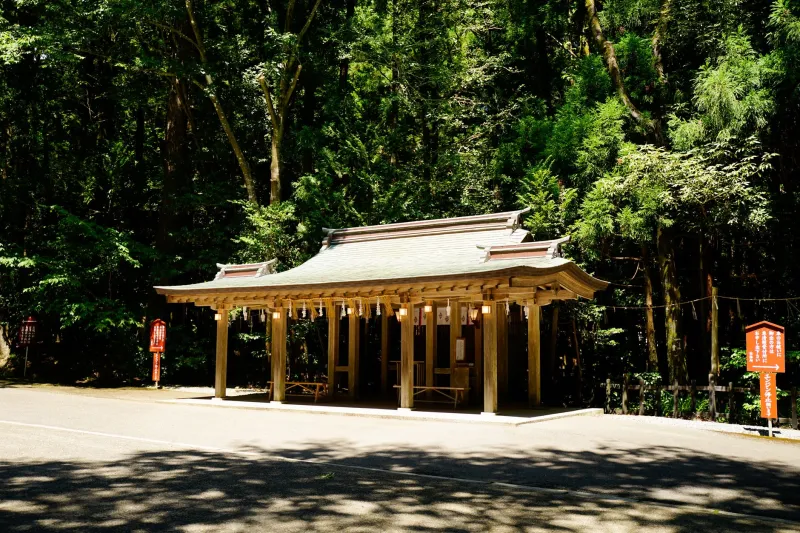
This isn't abstract theology. In Japan, it shows up in everyday life. You see it in small roadside shrines, in the way people approach a forest with quiet reverence, in the rituals surrounding seasons and harvests. Hayao Miyazaki grew up steeped in this worldview, and it bleeds into every frame of his films.
When Western audiences watch a Ghibli movie and think "wow, the nature stuff feels so alive," they're actually responding to a Shinto sensibility — they just don't have the vocabulary for it.
The Bathhouse in Spirited Away Is a Literal Shinto Space
Let's start with the big one. Yubaba's bathhouse in Spirited Away seems like a quirky fantasy setting, but it's modeled directly on the concept of a onsen (hot spring bath) as a place of purification — which is a genuinely sacred act in Shinto practice.
The gods and spirits who come to bathe aren't just weird customers. They're kami seeking ritual cleansing. When Chihiro helps the River Spirit — the one who arrives looking like a giant blob of pollution — she's performing an act of spiritual service. The scene where she pulls the garbage and bicycle out of the spirit isn't just gross-out humor; it's a direct metaphor for environmental degradation and humanity's disrespect for nature spirits.
The River Spirit rewards her with a bitter medicine ball. In Japanese folk tradition, bitter herbs and medicines given by divine figures are signs of genuine blessing, not punishment. Western audiences often read that scene as ambiguous. Japanese audiences would understand it immediately as sacred gratitude.
Also, Chihiro's contract with Yubaba — where she loses her name and becomes "Sen" — reflects a real concept in Japanese spiritual thought. Names hold power. Losing your name means losing your sense of self and your connection to your origins. The entire film is about Chihiro fighting to remember who she is, which reads as a coming-of-age story in the West but carries much heavier spiritual weight in the original cultural context.
Totoro Is a Death God (Kind Of)
Okay, this one's a little controversial, but hear us out.
There's a long-standing fan theory in Japan — taken seriously by many cultural scholars — that Totoro is a shinigami, a spirit associated with death. The evidence is circumstantial but genuinely interesting: Totoro can only be seen by Satsuki and Mei, who are children (children are traditionally considered closer to the spirit world in Japanese folklore). The mother is hospitalized. The Catbus takes them to places the living cannot easily go.
Miyazaki has never confirmed this reading, and the film works beautifully as a straightforward story about childhood and family. But the reason the theory resonates so strongly with Japanese audiences is that the cultural framework for it already exists. In Shinto and Japanese Buddhist traditions, the boundary between the living and the dead is porous, and spirits serve as guides and guardians across that boundary.
Western audiences see a big fluffy creature who helps kids find their mom. Japanese audiences see all of that plus a figure that sits comfortably within a rich tradition of liminal spirit-guides. Neither reading is wrong — but one is significantly fuller.
The Forest in Princess Mononoke Isn't a Metaphor — It's Sacred Ground
Princess Mononoke is often read in the West as an environmentalist film, and that's not inaccurate. But reducing it to "industry bad, nature good" misses the specifically Shinto dimension of what's at stake.
The Forest Spirit — the Deer God — is a kami of enormous power. The forest isn't just an ecosystem; it's a sacred space inhabited by divine presences. When Iron Town begins encroaching on the forest, it's not just ecological destruction in the Western sense. It's desecration. It's violating sacred ground.
The film's central tragedy isn't that humans are evil. Miyazaki is too nuanced for that — Lady Eboshi is genuinely trying to help marginalized people. The tragedy is that human ambition, even well-intentioned ambition, has consequences in a world where the divine and the natural are inseparable. That's a very specifically Japanese moral framework, and it gives the film a weight that pure environmentalism doesn't quite capture.
Why This Matters for How You Watch
None of this means you've been "watching Ghibli wrong." These films are masterpieces precisely because they work on multiple levels simultaneously. Miyazaki is a genius at making cultural specificity feel universally accessible.
But there's real value in going deeper. When you understand that Chihiro's journey is structured like a Shinto purification ritual, the ending hits harder. When you know that Totoro's design draws on traditional Japanese yokai imagery, the creature feels less like a cute mascot and more like something genuinely ancient and powerful.
If you want to start exploring this stuff, look into the concept of ma — the Japanese aesthetic of negative space and meaningful pause — which explains why Ghibli films breathe so differently from Western animation. Pick up a book on yokai folklore. Learn a little about Shinto shrine culture.
You'll watch these films again and feel like you've been handed a new pair of glasses. The movies you already love will become something more.
And honestly? That's kind of what Nttgaika is here for.