No Passport Required: A First-Timer's Roadmap to Japanese Festivals Across the US in 2026
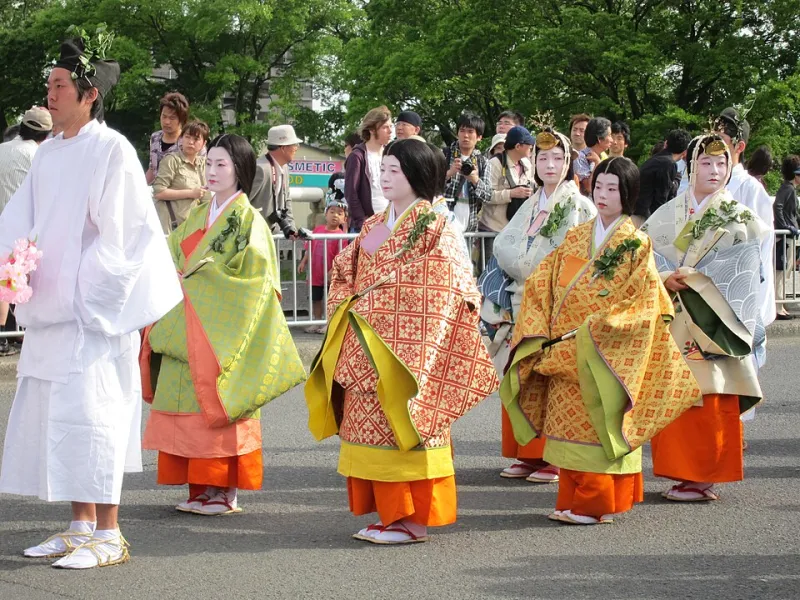
Photo: Nullumayulife, CC BY 2.0, via Wikimedia Commons
Maybe you've seen the photos: yukata in a parking lot, taiko drums outside a community center, a line for takoyaki that wraps around a folding table. The US matsuri scene in 2026 is bigger and easier to find than ever, but it is not one thing. Knowing which kind of event you're walking into is half the battle.
You do not need a passport to have a good first festival. You do need a little preparation, a little curiosity, and a willingness to read the room. Here is the no-nonsense version.
First, Know Which Kind of Festival You're Attending
There are three broad flavors, and they have different social rules.
Shrine-style and temple festivals are usually tied to Buddhist temples, Shinto shrines, or Japanese community organizations. You might see Bon Odori dancing, food stalls, lanterns, and a small ceremony. These events can be religious or cultural or both. The vibe is community potluck, not theme park.
Anime conventions with festival floors are the second flavor. These are built for fans. You will see cosplay, J-pop, merchandise, and food booths. The matsuri atmosphere is real, but it is also a convention attraction. That means different expectations around photos, lines, and dress.
Community-run cultural events are the third flavor. Think Japan Society programs, Japan-America Society chapters, university Japan clubs, and local cultural centers. These tend to be smaller and more educational. You might get a tea ceremony demo, a calligraphy table, or a lecture before the dancing starts.
None of these is better than the others. They just ask different things of you.
What to Expect When You Walk In
Expect lines. Expect cash. Expect folding chairs and a stage that looks like it was assembled that morning. Expect food to sell out. Expect someone's grandma to be the best dancer in the Bon Odori circle.
Also expect a mix of languages. Some organizers are bilingual. Some are not. A few phrases go a long way: konnichiwa, arigatou gozaimasu, and sumimasen will cover a surprising amount of ground. If you are unsure whether a space is open to the public, ask. If a sign says no photos, put the phone away.
At temple events, pay attention to physical boundaries. Shoes come off in some buildings. Prayer areas are not photo backdrops. Food lines are not the place for a TikTok shoot. At conventions, the rules are usually posted and enforced, but the crowded floor still rewards patience.
What to Try and What to Skip
Try the food you cannot get at home. Takoyaki, yakisoba, okonomiyaki, shaved ice, and skewered chicken are festival staples for a reason. Try the Bon Odori circle if it is open to everyone. Watch one song first. You will learn more in five minutes than in a dozen videos.
Try the small cultural tables. Fold a paper crane. Write a wish on a tanzaku strip. Ask a volunteer what the dance means. Those moments are usually the ones people remember.
Skip treating the event like a costume party. Cosplay is fine at an anime convention. At a shrine-style or community festival, dress respectfully and read the room. Do not mimic religious garments as a fashion statement. Do not assume every person in a yukata wants a photo. Do not call a cultural performance 'cosplay' if it is not.
Respect Without Freezing Up
Respect does not mean standing in the corner afraid to touch anything. It means asking before you photograph people, following signage, buying something from the stalls, and not blocking the dancers. It means understanding that a festival is not a museum exhibit. People are there to celebrate, mourn, sell food, see friends, and keep traditions alive.
If you are unsure, copy the locals. Watch how people enter a temple space. Watch how they line up. Watch how they clap or bow. You do not have to be perfect. You just have to be thoughtful.
How to Find One Near You in 2026
Start with local Japanese community organizations. Japan Society affiliates, Japan-America Society chapters, Buddhist temples, and university Japan clubs often post event calendars. Check anime convention schedules too, especially conventions with cultural programming or festival floors. City cultural calendars and local Asian American community pages are also useful.
Follow organizers on social media, but confirm details on the official event page. Weather can move things indoors. Food can run out. Lines can be longer than expected. Go early, bring cash, and leave room in your bag for a souvenir you did not plan to buy.
And if you go alone, that is fine. Festivals are one of the few places where standing near a drum circle and eating something fried counts as a full social life. No passport required. Just show up with good manners and an empty stomach.